
Also see: What You Need To Know To Prevent The Disease Hantavirus Pulmonary Syndrome (HPS)
Small But Deadly
Hantavirus
Pulmonary
Syndrome (HPS) has been recognized as a disease only recently in North America. So far, it's also fairly uncommon and the chances of becoming infected are low. However, HPS is potentially deadly and immediate intensive care is essential once symptoms appear.
The Mouse That Roared
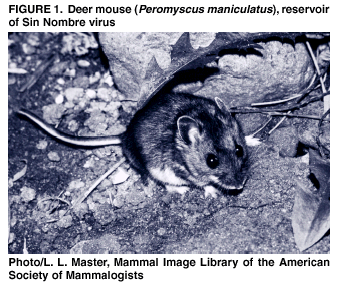
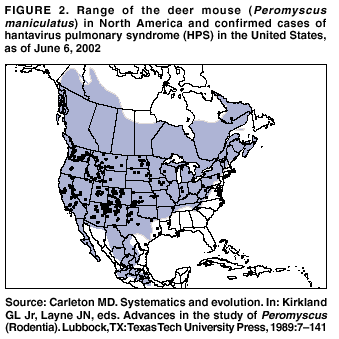
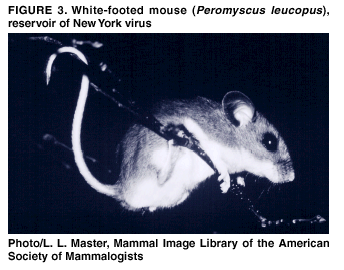
Hantaviruses that cause HPS are carried by rodents, especially the deer mouse. You can become infected by exposure to their droppings, and the flu-like first signs of sickness (especially fever and muscle aches) appear one to six weeks later, followed by shortness of breath and coughing. Once this phase begins, the
disease
progresses rapidly, necessitating hospitalization and often ventilation within 24 hours.
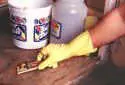
Prevention is the best strategy, and it simply means taking some very practical steps to minimize your contact with rodents. HPS is not contagious from person-to-person in the United States

Clinical Case Definition
An illness characterized by one or more of the following clinical features:
Patients with HPS typically present in a very nonspecific way with a relatively short febrile prodrome lasting 3-5 days. In addition to fever and myalgias, early symptoms include headache, chills, dizziness, non-productive cough, nausea, vomiting, and other gastrointestinal symptoms. Malaise, diarrhea, and lightheadedness are reported by approximately half of all patients, with less frequent reports of arthralgias, back pain, and abdominal pain. Patients may report shortness of breath, (respiratory rate usually 26 - 30 times per minute). Typical findings on initial presentation include fever, tachypnea and tachycardia. The physical examination is usually otherwise normal.
HPS Clinical Presentation
| Most Frequent | Frequent | Other |
| fever | headaches | shortness of breath |
| chills | nausea, vomiting | dizziness |
| myalgias | abdominal pain | arthralgia |
| diarrhea | back or chest pain | |
| cough | sweats | |
| malaise |
The diagnosis is seldom made at this stage, as cough and tachypnea generally do not develop until approximately day seven. Once the cardiopulmonary phase begins, however, the disease progresses rapidly, necessitating hospitalization and often ventilation within 24 hours.
Signs that make a diagnosis of HPS unlikely include rashes, conjunctival or other hemorrhages, throat or conjunctival erythema, petechiae, and peripheral or periorbital edema.
Laboratory Criteria for Diagnosis
Surveillance Case Classification
Confirmed:
A clinically-compatible case with laboratory criteria for diagnosis
Comment
Laboratory testing must be performed or confirmed at a reference laboratory. Because the clinical illness is non-specific and ARDS is common, a screening case definition should be used to determine which patients to test. In general, a predisposing medical condition (e.g., chronic pulmonary disease, malignancy, trauma, burn, and surgery) is a more likely cause of ARDS than hantavirus, and patients who have these underlying conditions and ARDS should not be tested for hantavirus.
So now's the time to check your house to make sure rodents stay where they belong: outside. Here's how!
Get Rid of Mice and Rats Safely:
Our Prevention Pages Show You How

Think you have mice in your house? Concerned about how to clean up? Learn how to do it here. Only certain types of mice and rats can carry hantavirus However, because it's hard to tell one type of rodent from another, and because you can't tell if a mouse is carrying hantavirus or not, it's best to treat all rodents with caution.

|
Hantavirus Pulmonary Syndrome Cases By State of Residence
From the Centers for Disease Control and Prevention |
|
|
Link to
Hantavirus - Public Health Fact Sheet
From the Washington State Department of Health |
|
|
Link to
How Do I Prevent HPS?
From the Centers for Disease Control and Prevention |
|
|
Link to
Prevent Hantavirus Pulmonary Syndrome
From the Centers for Disease Control and Prevention |
|
|
Link to
Clinical Manifestations of HPS
From the Centers for Disease Control and Prevention |
Ways to save money AND help the environment:
Save water AND money with this showerhead adapter, it lets the water flow until the water is hot, then shuts off water flow until you restart it, ShowerStart TSV Hot Water Standby Adapter

Protect your health with these:
Mattress Dust mite-Bedbug protector, 100% Waterproof, Hypoallergenic, Zippered
Handheld Allergen Vacuum Cleaner with UV Sanitizing for Allergies and Pet, Kills Mite, Virus, Molds, True HEPA with Powerful Suction removes Hair, Dander, Pollen, Dust ,
,
Immune Support Supplement with Quercetin, Vitamin C, Zinc, Vitamin D3
GermGuardian Air Purifier with UV-C Light and HEPA 13 Filter, R emoves 99.97% of Pollutants
HEPA Air Purifier, HEPA Air Cleaner with Washable Pre-Filter, AQI Display, ECO Mode, Sleep Mode, Pet Mode for Pets, Dust, Pollen, Removes 99.97% of Particles, Smoke, Mold, Pet Dander, Dust, Odors
Interesting Reads:
THE PREPPER'S CANNING & PRESERVING BIBLE: [13 in 1] Your Path to Food Self-Sufficiency. Canning, Dehydrating, Fermenting, Pickling & More, Plus The Food Preservation Calendar for a Sustainable Pantry
The Backyard Homestead: Produce all the food you need on just a quarter acre! P aperback
The Citizens' Guide to Geologic Hazards: A Guide to Understanding Geologic Hazards Including Asbestos, Radon, Swelling Soils, Earthquakes, Volcanoes
The Uninhabitable Earth: Life After Warming
Book: The Sixth Extinction:
An Unnatural History Paperback
 .
.